
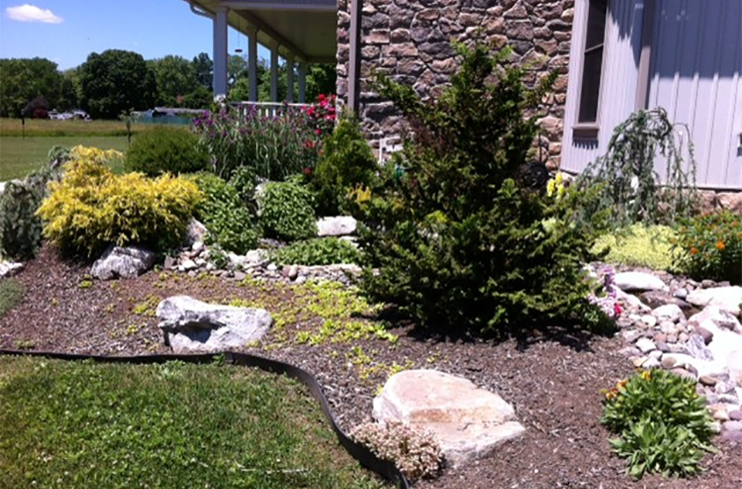
Key Takeaway: Yes. April is a good time for mulching! A modest layer of mulch helps conserve moisture, keeps root zones cooler, and inhibits weed growth. When applied properly, it protects your landscape while enhancing appearance, making it one of the most effective and simple upgrades for any property.
Updated April 2026
Why Use Mulch?
Mulch does a lot more than people think. It’s a layer of material placed over soil that helps hold moisture in during hot days, keeps roots from overheating, protects your soil from erosion during heavy rain, and slows down weed growth before it gets out of control.
The result is a landscape that not only looks better but performs better over time.
Timing Matters More Than You Think
Spring is one of the best times to mulch, and there’s a reason for that.
Your landscape is coming out of winter, plants are beginning to grow, and the soil is starting to warm up. Getting mulch down early helps lock in moisture and gives your beds a strong start before the heat of summer sets in.
Wait too long, and weeds start taking over. The soil dries out faster. And the job becomes bigger than it needs to be.
What Happens Without Mulch vs With Mulch
| Problem | Without Mulch | With Mulch |
| Soil Moisture | Dries out quickly | Stays consistent longer |
| Weed Growth | Rapid and difficult to manage | Significantly reduced |
| Soil Temperature | Fluctuates heavily | More stable environment |
| Appearance | Patchy and unfinished | Clean and polished look |
How to Start Mulching
Once the ground becomes workable, you can begin prepping your old beds for the new season.
Scratch up old mulch to eliminate clumping and redistribute mulch left from last year so you can evaluate new mulch needs. If you see a lot of exposed soil in the beds, you’ll need a layer of 2 to 2 ½ inches of new mulch throughout the bed areas, with one inch or less around the base of plants. This equates to 135-170 square feet of coverage per cubic yard of mulch.
Do not allow mulch to accumulate to depths over 4 inches or more because a layer of white pasty fungus can form and inhibit passage of moisture into the soil.
How to Choose Mulch
Natural bark or hardwood is the best to use because they both naturally decompose and add to the organic content of your soil.
Stay away from ground up “tree trimmer” wood chips as mulch around your landscape because you could be spreading insect and disease problems that were the reason those trees were cut down in the first place.
Finally, the dyed mulches take longer to decompose because they generally contain shredded construction debris and pallet wood. In some cases, the color can leach out and stain sidewalks and patios.
Pro Tip: Clean the edges of beds
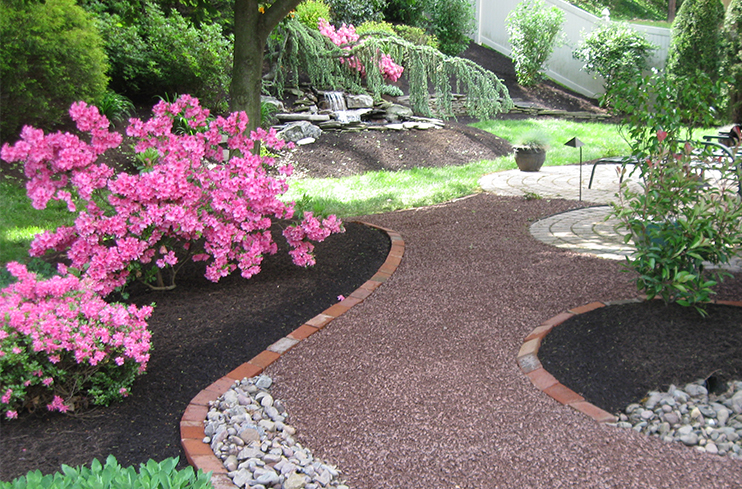
For a finished look, it’s a good idea to cut new edges on all the beds prior to spreading the mulch. This will keep your beds looking crisp and new into fall.
Common Mulching Mistakes That Cause Problems
This is where many homeowners run into trouble.
Mulch is helpful, but only when it’s done the right way.
Too much mulch can suffocate plants and trap excess moisture. Too little mulch won’t give you the protection you need. And piling mulch around the base of trees, often called “mulch volcanoes,” can lead to rot and long-term damage.
There’s also the question of material. Not all mulch is created equal, and choosing the wrong type can affect drainage, color longevity, and overall results.
DIY vs Professional Mulching
A lot of homeowners start this project themselves, and for small areas, that can work. But once you’re dealing with multiple beds, edging, proper depth, and material selection, it quickly becomes more than just spreading mulch.
A professional team knows how to:
- Prep the beds properly
- Apply the correct depth evenly
- Choose the right mulch for your landscape
- Create clean edges that hold everything in place
- Install professional pre-emergent herbicide to reduce weeds for the entire season
It’s the difference between something that looks done and something that feels complete.
A Simple Step That Makes a Big Difference
Mulch might seem like a finishing touch, but in reality, it’s one of the most important steps in keeping your landscape healthy, manageable, and looking its best.
Small shifts lead to real results.
Ready to Refresh Your Landscape?
Should your garden beds need attention this season, getting mulch installed the right way can save time and prevent bigger issues later.
Let’s talk about what’s possible for your property
and how to keep it looking its best all season long.
For more April landscaping tips, check out these five timely tips! Our nationally recognized landscape designers know the best techniques and have the right tools to create and maintain your outdoor oasis. We offer landscape design, hardscaping, irrigation system design, patio and fence construction, and more to the Allentown, New Morgan, Wyomissing, Mohnton, and Lancaster areas.
Frequently Asked Questions
How deep should mulch be applied?
Most garden beds benefit from about 2 to 3 inches of mulch. This gives enough coverage without overwhelming the plants.
How often should mulch be replaced?
Typically, once a year, depending on the type of mulch and weather conditions.
What type of mulch is best?
Organic mulches like hardwood or bark are popular because they break down over time and improve soil health.
Can mulch help with weeds?
Yes, when applied correctly, mulch blocks sunlight and makes it harder for weeds to grow.