
Quick Answer
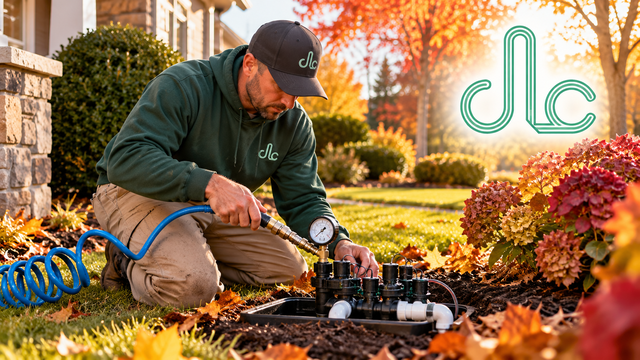
Yes. Before freezing temperatures arrive, your irrigation system should be properly winterized so water left inside pipes, valves, sprinkler heads, and other components does not freeze and cause damage. Simply turning the system off may not be enough.
Fall is the time to take care of it, before the first hard freeze turns a small maintenance task into a costly repair.
October is one of those months when the weather can change quickly.
One week, you are still mowing. The next, you are waking up to frost.
For homeowners with an irrigation system, that change matters.
At Diebolt Landscape, we help homeowners protect the landscapes they have invested in, and that includes making sure irrigation systems are ready for winter.
Why Does an Irrigation System Need to Be Winterized?
Water expands when it freezes. That becomes a problem when water is trapped inside irrigation lines, valves, backflow devices, and sprinkler heads.
Even a small amount of frozen water can put pressure on system components.
The result can be cracked pipes, damaged fittings, broken valves, or problems that do not show up until you turn the system back on in spring.
Winterization is about getting that remaining water out before freezing temperatures arrive.
Is Turning Off the Water Enough?
Usually, no. Shutting off the water supply is important, but it does not necessarily remove the water already sitting inside the irrigation system.
That leftover water is the part that can cause trouble.
A proper winterization process helps clear the system so there is less risk of freeze damage during the winter months.
When Should You Winterize Your Irrigation System?
October is a good time to schedule it. The goal is to winterize the system before the first hard freeze, but not so early that your landscape still needs regular watering.
Pennsylvania fall weather can be unpredictable, so waiting until freezing temperatures are already in the forecast can make scheduling more difficult.
Planning ahead gives you more control.
What Parts of the System Can Be Damaged?
Several parts of an irrigation system can be affected by freezing water, including:
- Underground pipes
- Sprinkler heads
- Valves
- Backflow preventers
- Fittings
- Manifolds
- Drip irrigation components
Some damage is obvious right away.
Other problems stay hidden underground until spring.
That is why proper fall maintenance matters.
Can I Winterize the System Myself?
Some homeowners do. But irrigation systems vary.
The layout, number of zones, type of backflow device, drainage design, and system components can all affect how the system should be winterized.
Using too much air pressure can damage parts of the system. Not using enough can leave water behind.
For homeowners who are unsure how their system is designed, professional winterization can provide peace of mind.
What Else Should You Check Before Winter?
Fall is also a good time to look at the overall system.
Did any sprinkler heads stop working this summer?
Were certain areas getting too much or too little water?
Did you notice leaks?
Was a zone not turning on properly?
Make a note of those problems now.
Some repairs may make sense before winter, while others can be planned for spring.
Does Winterizing Help Protect Your Landscape Too?
Indirectly, yes. Your irrigation system is part of the larger landscape.
When the system works properly, plants, lawns, trees, and garden beds get the water they need during the growing season.
Protecting that system helps protect the investment you have already made in the property.
At Diebolt Landscape, irrigation is one part of the complete landscape services we provide, along with design, planting, hardscaping, lighting, maintenance, and other outdoor improvements.
What Should You Do Before the First Freeze?
A simple fall checklist can help:
- Schedule irrigation winterization
- Check for leaks or broken heads
- Note any zones that did not work properly
- Remove hoses from outdoor connections
- Review any irrigation concerns from the summer
- Plan needed repairs for spring
You do not have to wait until something breaks to take care of it.
Ready for Winter?
A little preparation now can save you from discovering a damaged irrigation system when spring arrives.
Should your irrigation system still need to be winterized, now is the time to get it on the schedule before freezing temperatures settle in.