
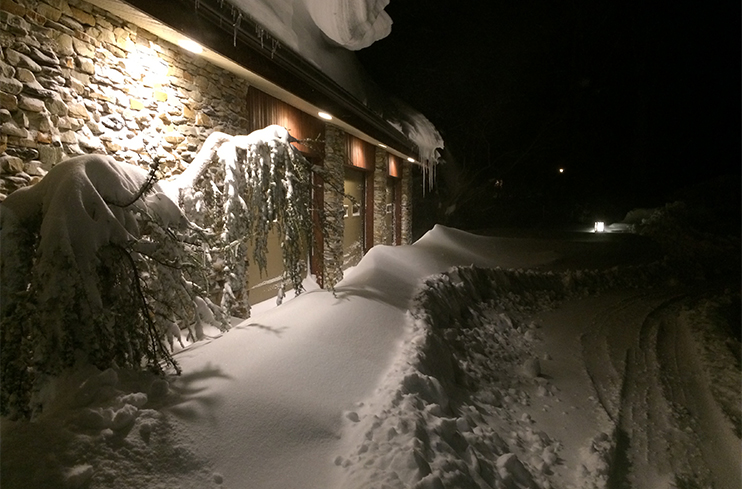
Why not wait until Spring to think about your landscaping? It’s a question many homeowners ask once the holidays are over and winter settles in. Winter snows and ice make your yard look quiet and inactive, but that doesn’t mean landscaping should pause. In fact, January is one of the smartest months to protect what you already have and plan for what comes next, especially when you care about long-term property value, curb appeal, and outdoor living.
Landscaping in January matters because it protects your outdoor investment and sets the stage for a smoother spring. Winter is the ideal time for planning, inspecting hardscapes and irrigation, preventing freeze damage, and preparing lighting and design upgrades before the busy season begins.
5 Smart Winter Landscaping Moves to Make in January
1. Plan Ahead
Winter offers something most of the year doesn’t… breathing room. With plants dormant and schedules less crowded, homeowners can look at their property with fresh eyes. Issues are easier to spot, planning is more thoughtful, and projects can be scheduled before spring demand ramps up.
Professionals like Diebolt Landscaping often use January to help homeowners evaluate their outdoor spaces as systems, not just scenery. Hardscaping, irrigation, water features, lighting, and plantings all work together, and winter makes it easier to see how well they’re holding up.
2. Protect Your Current Hardscaping
January is about prevention. Freeze-thaw cycles quietly damage patios, retaining walls, and water features. Small cracks grow, water expands inside stone or concrete, and buried issues often go unnoticed until Spring.
When looking for Winter damage to your hardscaping consider these signs:
- Wobbly steps or bricks
- Retaining walls bending outward in the middle or at the top
- Places where water is freezing to ice frequently
- Broken edges along drives or patios
3. Repair Irrigation Damage
Even if freezing temperatures have already hit, this is also a key time to check irrigation systems and water features to make sure everything was properly winterized. Catching a problem now can save significant repair costs later. A problem found in January can mean a repair is scheduled and completed before warm weather arrives.
4. Reevaluate Outdoor Lighting
Outdoor lighting is another Winter advantage. With shorter days, lighting gaps become obvious. Walkways, steps, and gathering areas that feel dark or uneven now are the same ones that will frustrate you later unless they’re addressed.
5. Schedule Spring Projects
If you are considering a project in the Spring, contact a landscape designer now before schedules fill up. Many people wait until the first warm days in March or April, so consulting a landscaper now gets you ahead of the crowd.
A little effort now removes stress later. Instead of scrambling when everything wakes up at once, you’re already ahead. Contact Diebolt Landscaping for a team of experienced landscape designers that can help bring your project to life.
Frequently Asked Questions
Is it too cold to plan landscaping projects in January?
No. Planning, inspections, and design work are ideal in Winter.
Should irrigation systems be checked again after winterizing?
Yes. A mid-Winter review can catch issues caused by temperature swings.
Ready to Get Ahead of Spring?
January is not a waiting period. It’s a planning advantage. A short conversation now can protect your investment, improve your outdoor space, and make Spring projects smoother from day one. Reach out to Diebolt Landscaping to start planning while schedules are still flexible and opportunities are wide open.